
The Bureau of Meteorology’s climate outlook for October to January, issued 17 September 2026, shows overnight temperatures likely above average across the whole of Australia this spring, with daytime temperatures also likely above average for most of the country. The driver is El Niño, which BOM describes as well established and continuing to strengthen, expected to peak as a very strong event around late spring or summer. Here is what that means for workplace heat stress planning, and why acting in October beats waiting for the first heatwave.
What BOM is actually forecasting for October to December
Maximum temperatures are likely above average across most of Australia except parts of the tropical north, with an increased chance of unusually high maximums across south-west WA and most of south-eastern Australia. Minimum, overnight, temperatures are likely above average across the whole country, with a broad area carrying an increased chance of unusually high minimums.

Rainfall is likely to be above average across much of the west and central regions, and below average in the south-east. El Niño and a possible developing positive Indian Ocean Dipole are the drivers behind both the temperature and rainfall pattern. Global sea surface temperatures for August 2026 were the warmest on record, 1.04°C above the 1961 to 1990 average.
Why overnight heat matters as much as daytime heat
Most “hot summer” content only talks about daytime maximums. This outlook is different because the overnight signal is just as strong, and in some ways more significant for workplace planning. When minimum temperatures don’t drop overnight, workers get less recovery time before the next shift, and so do buildings, machinery, and stored product. A warehouse roof, a piece of plant, or a stockpile that would normally shed its daytime heat overnight instead starts the next working day from a warmer baseline.
That compounds heat stress risk across a working week rather than resetting each night. It is also the mechanism argument for why this year needs earlier intervention, not just hotter-day intervention once summer proper arrives. A worker who starts Monday’s shift already carrying fatigue from a warm Sunday night, in a building that never fully cooled overnight, is in a different position to one starting fresh after a cool night, even if the daytime maximum on both days is identical. Cumulative fatigue like this is harder to spot than a single hot afternoon, and it tends to show up as reduced concentration and slower reaction time before it shows up as an obvious heat-related incident.
Fanquip’s cooling range addresses this in different ways depending on the space:
- Mancoolers, for targeted relief where workers are stationed for extended periods
- Air circulators, for general air movement across a work area
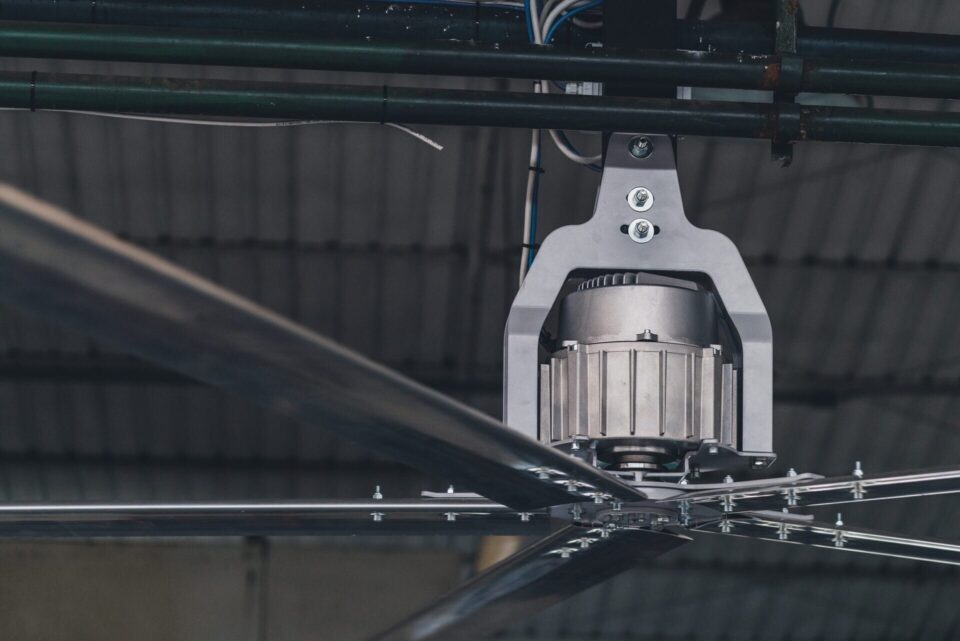
- Giant fans (HVLS), for large-volume spaces, where destratification also helps address overnight heat retention in warehouses and sheds
Bringing the pre-summer buying window forward
Cooling equipment lead times and installation scheduling mean waiting for the first 35°C day leaves a business reacting rather than prepared. That gap matters more this year given the overnight signal above, since the usual cue of a hot afternoon arrives later than the actual risk does.
This article’s job is to make the case for timing. The practical buying guidance already exists elsewhere on the blog: see warehouse cooling solutions for Australian summers and key benefits of mancoolers for summer cooling for equipment detail, and signs of heat stress in warehouse workers and how to prevent heat stress in the workplace for the WHS side of the picture.
Frequently Asked Questions
What is BOM forecasting for spring 2026?
The Bureau of Meteorology’s climate outlook, issued 17 September 2026, shows both daytime and overnight temperatures are likely to be above average across most of Australia from October to December. This is driven by a strengthening El Niño, which some forecasters consider a ‘Super’ El Niño. Rainfall is likely to be above average in the western and central regions and below average in the south-east.
Why are overnight temperatures significant for workplace heat stress?
When overnight minimums stay high, workers, buildings and equipment get less time to cool down before the next working day. Heat stress risk compounds across a working week rather than resetting each night, which is different from a typical spring where cooler nights provide recovery.
Is this forecast guaranteed?
No. BOM’s long-range outlook is probabilistic, expressed as a likelihood, not a certainty. The current outlook shows a strong chance of above-average temperatures across most of the country, which is a meaningful signal but not a guarantee for any specific date or location.
When should a business start preparing for summer heat in the workplace?
Given this year’s outlook, earlier than usual, ideally in October, rather than waiting for the first heatwave. Cooling equipment lead times and installation scheduling mean reactive purchasing usually means going without adequate cooling during the hottest early days of the season.
Get ahead of this summer
Browse Fanquip’s mancoolers, air circulators and giant fans range, or contact Fanquip for a pre-summer cooling assessment before the seasonal rush.