
Industrial environments already operate under demanding conditions, but summer introduces additional stress on sensitive components and heavy machinery. Rising temperatures, direct sunlight, and poor ventilation can lead to overheating, degraded performance, or even permanent damage. Extended exposure to high temperatures also accelerates wear and tear, reducing equipment lifespan.
Taking proactive measures to improve airflow, reduce heat buildup, and monitor critical components can significantly reduce the risk of failure and extend equipment lifespan during the hottest months of the year.
Why High Temperatures Pose a Risk to Equipment
Extreme heat can severely affect the operation of electrical panels, motors, engines, and control systems. When temperatures rise, internal electronics and moving parts may struggle to function properly, resulting in:
- Overheating
- Reduced performance
- Sudden shutdowns
- Costly breakdowns
In some cases, equipment may even become a safety hazard if left to operate under unsafe levels of heat.
Components housed in poorly ventilated areas, such as enclosures or near walls, can easily trap heat. Areas exposed to direct sunlight during the late afternoon are particularly vulnerable.
Cooling Systems and Heat Dissipation
One of the most effective ways to mitigate these risks is through strategic heat dissipation and cooling systems. Ensuring your facility has access to cool air flow can prevent internal components from exceeding their thermal thresholds.
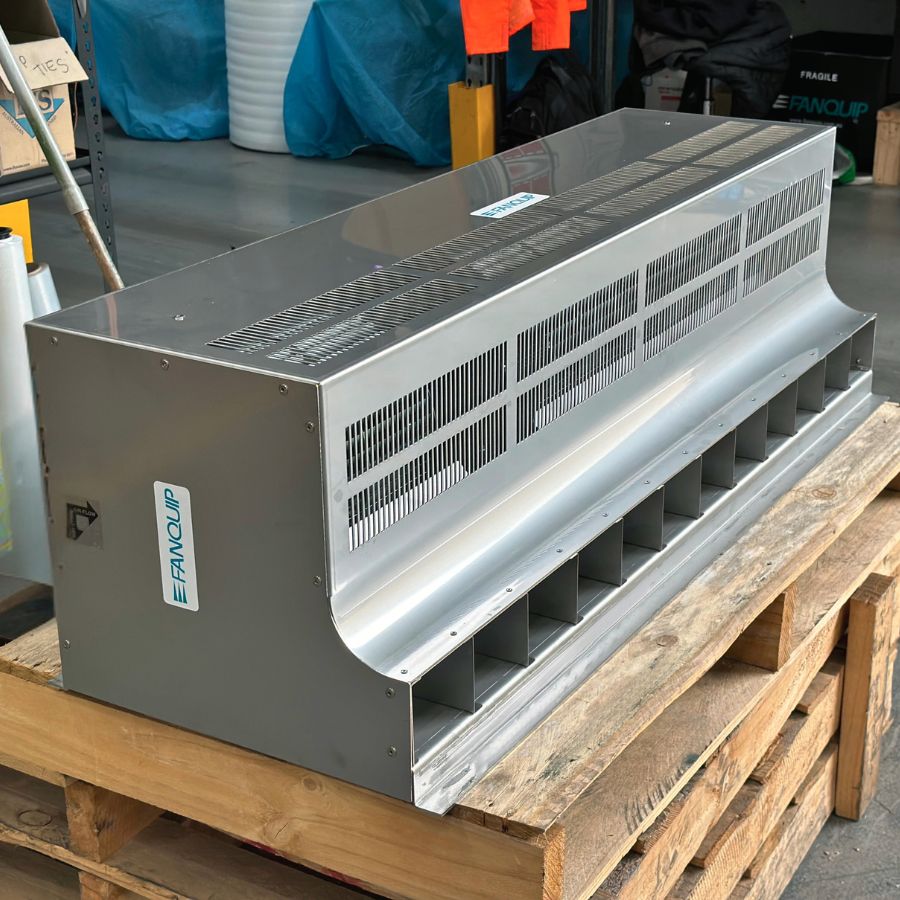
Portable fans, air curtains, and fixed industrial cooling fans can play a major role in circulating air and reducing ambient temperatures. In some cases, combining air movement with other cooling strategies such as shaded areas or heat-resistant covers may provide added protection.
For a closer look at how industrial fans work to cool large spaces, explore this guide on how industrial fans cool a room.
Monitor Conditions with Sensors and Regular Checks
Installing temperature and humidity sensors near high-risk equipment enables real-time monitoring of environmental conditions. These sensors can alert operators to sudden spikes in heat or moisture, allowing faster responses to potential overheating issues.
Inspections and maintenance should be scheduled more frequently during summer, especially for equipment exposed to extreme conditions. Watch for warning signs such as unusual noises, inconsistent performance, or slower start-up times. Paying particular attention to cooling systems can help prevent overheating and maintain efficiency.
Changing air filters, checking coolant levels, and clearing dust or blockages are all vital to keeping systems in optimal condition. In addition, lubricants tend to degrade faster in high heat, so regular replacement is key to maintaining performance.
Prevent Overheating in Enclosed or Remote Areas
In larger facilities or storage areas, certain zones may remain hotter than others, especially where airflow is limited. Installing dedicated cooling fans in these zones can improve conditions and prevent damage to heat-sensitive components.
For example, manufacturing plants often face additional heat from machinery. Proper ventilation and cooling solutions are key to reducing excessive heat and maintaining consistent operational efficiency. Learn more about cooling solutions for manufacturing facilities.
Smart Summer Heat Management Strategies
To reduce heat-related stress and maintain operational efficiency, consider these proactive strategies:
- Operate machinery during early mornings or cooler parts of the day
- Relocate equipment away from direct sunlight where feasible
- Use heat-resistant covers to protect exposed machinery
- Install air curtains to separate hot external air from internal areas
- Schedule regular maintenance to identify and fix issues early
Scheduling operations during cooler parts of the day reduces stress on equipment and improves efficiency.
Understanding your facility’s layout and airflow patterns can help you implement a summer heat management plan that fits your operations.
To explore more about workplace cooling and ventilation strategies, this article on cooling your workplace in summer offers additional insights.
Maintain Operational Efficiency and Reduce Risk
Whether you’re managing critical components, overseeing production, or operating heavy machinery, summer presents challenges that can impact safety, productivity, and cost. By taking preventive measures to reduce heat buildup and improve airflow, you can avoid overheating equipment and the costly downtime that follows.
Implementing proper cooling systems is not just about comfort—it’s about maintaining performance and preventing potential issues before they arise.
Industrial Cooling Solutions Built for Harsh Conditions
Fanquip offers a wide range of cooling solutions tailored to industrial and commercial environments. From misting mancoolers to high-performance fans, our equipment is engineered for durability and energy efficiency, even under extreme conditions.
Whether you need to cool a warehouse, ventilate machinery zones, or provide airflow to heat-sensitive components, our team can help you choose the right solution to maintain safe and efficient operations throughout the summer months.
Let us help you protect your equipment and your people when temperatures rise.