
Air circulation is a critical factor in maintaining safe, comfortable, and productive industrial environments. Unlike standard fans, industrial air circulators are designed to move large volumes of air, reduce heat buildup, and eliminate dust and fumes. They are built to withstand heavy-duty use, making them ideal for warehouses, factories, and other large commercial spaces.
In this article, we’ll look at the different types of industrial air circulators, their features, and how they benefit workers and facilities.
What is an Industrial Air Circulator?
An industrial air circulator is a high-performance fan designed to move air across large spaces efficiently. These circulators are engineered for continuous use in challenging conditions where ordinary fans fall short.
By circulating cool air, removing heat pockets, and reducing airborne contaminants, air circulators play a crucial role in creating a safe and comfortable working environment. They are also effective at eliminating odours and dispersing fumes, making them essential in industrial and commercial applications.
Benefits of Using Air Circulator Fans
Air circulator fans provide numerous advantages for industrial spaces:
- Enhanced airflow – Distributes cool air evenly, reducing hot spots.
- Improved safety – Helps remove fumes, dust, and other airborne particles.
- Energy efficiency – Reduces the need for excessive cooling systems.
- Worker comfort – Maintains a fresher, more breathable atmosphere.
- Versatility – Available in portable, wall-mounted, or pedestal designs to suit different applications.
Different Types of Industrial Air Circulators
Choosing the right fan depends on the size of your space, airflow needs, and mounting options. Here are the main types of air circulators designed for industrial use:
1. Pedestal Air Circulators
Pedestal fans are one of the most popular industrial solutions because they can be positioned anywhere on the floor. They are adjustable in height, allowing targeted cooling where it’s needed most. Their sturdy base makes them ideal for large areas where mobility and placement flexibility matter.
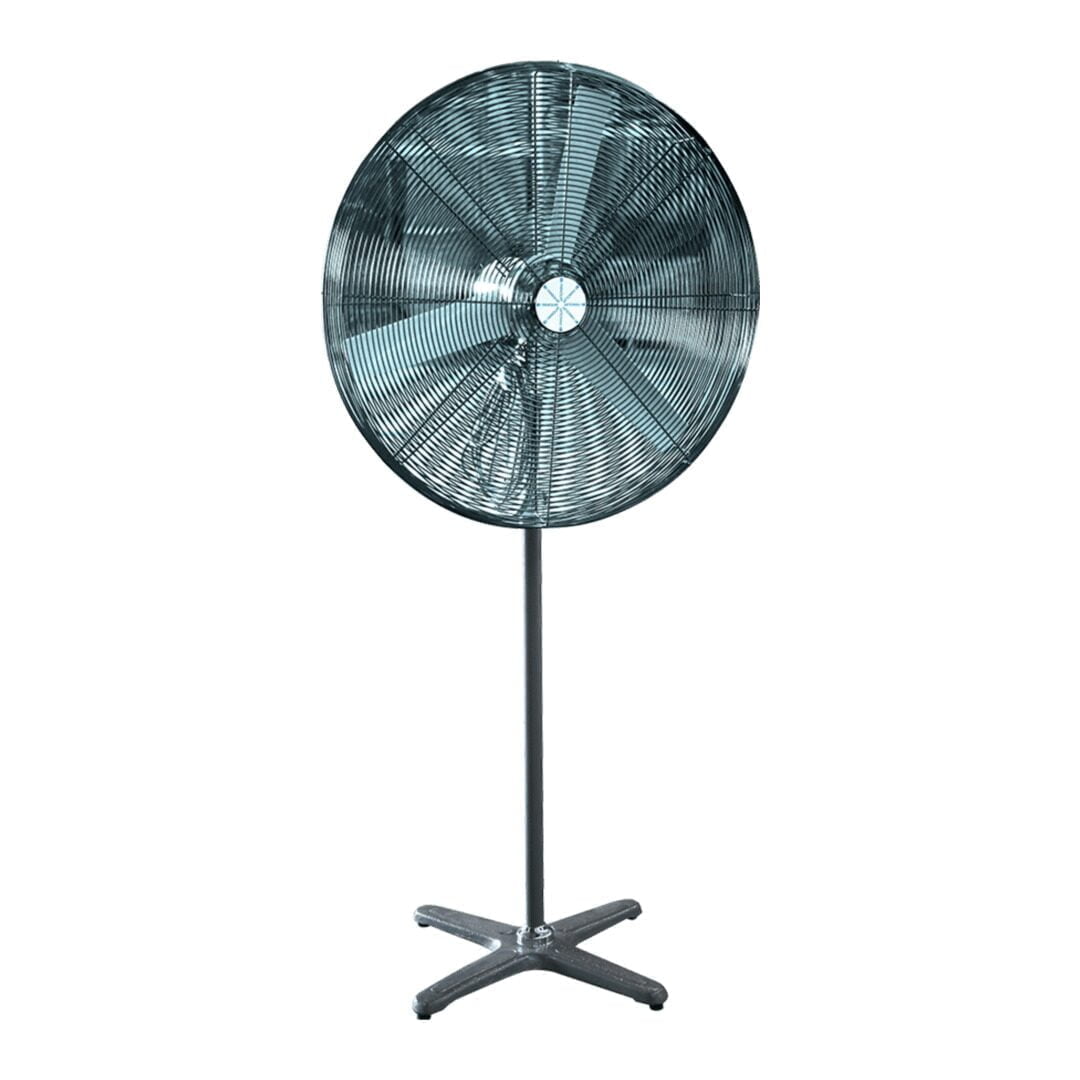
Explore pedestal air circulators designed for industrial environments.
2. Wall Mount Air Circulators
Wall-mounted air circulators are perfect for facilities with limited floor space. They provide powerful airflow while keeping pathways clear, making them suitable for warehouses, production lines, or workshops where floor access is restricted.
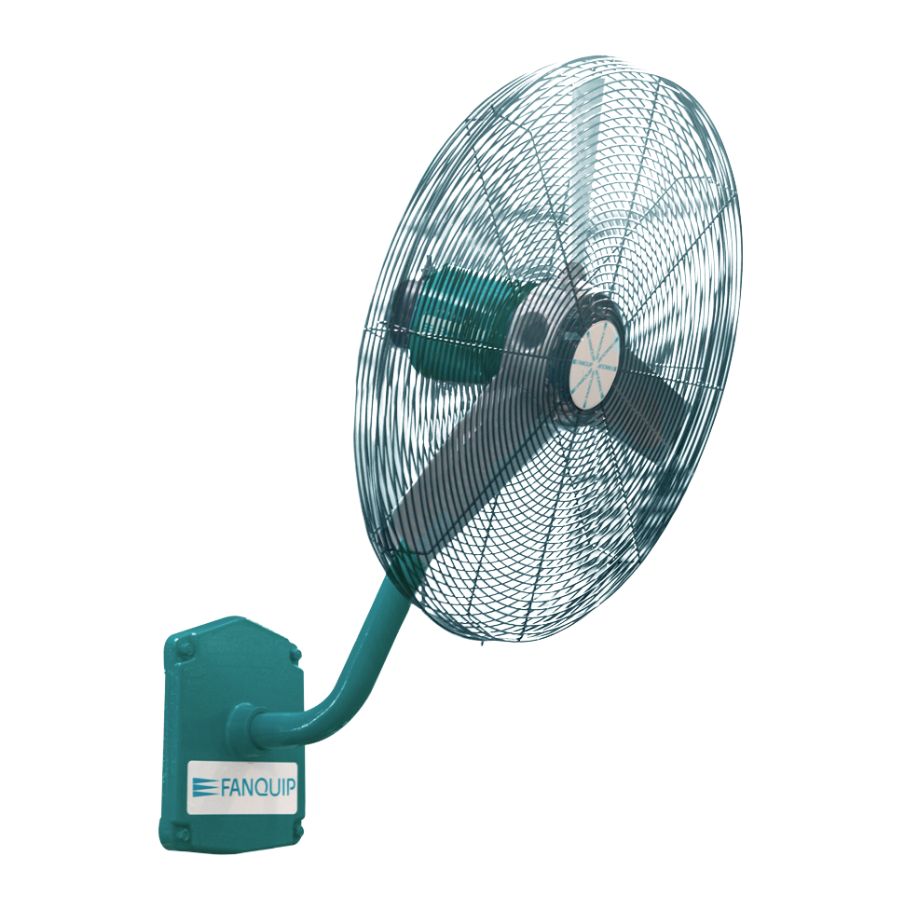
View the range of wall mount air circulators that help maximise space.
3. Utility Air Circulators
Utility air circulators are compact, lightweight, and easy to move. They are designed for smaller or more targeted applications, such as cooling specific workstations or improving ventilation in enclosed spaces. These fans are versatile and can even be used in agricultural applications.
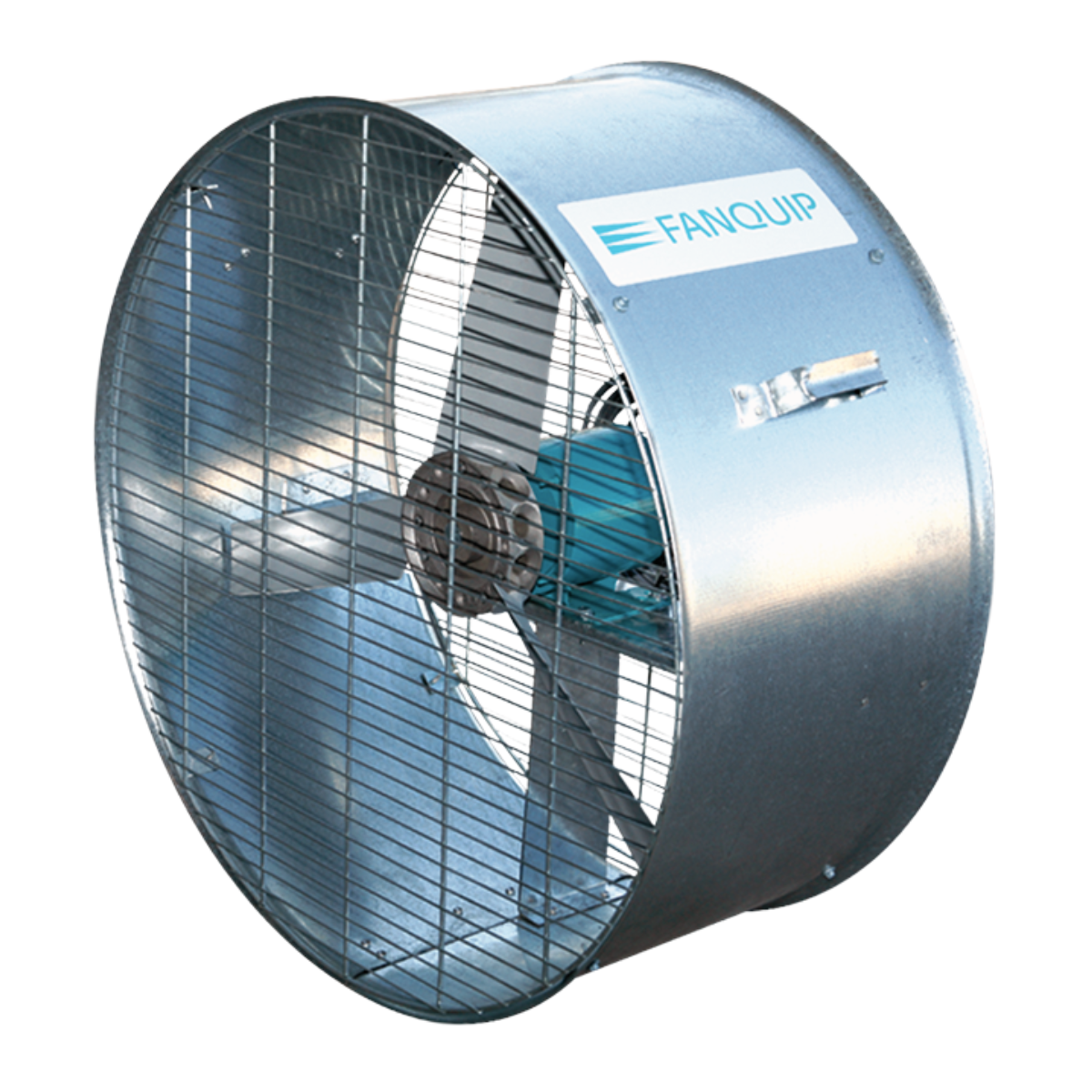
Discover utility air circulators that provide powerful yet flexible airflow solutions.
Other Types Available in the Market
While Fanquip specialises in pedestal, wall mount, and utility models, the broader market also offers additional options suited for very specific needs:
- Ceiling-Mounted Air Circulators – Installed overhead to maximise floor space and reduce heat stratification in large warehouses or gyms.
- Mobile or Portable Air Circulators – Mounted on wheels for easy movement between work areas, often used on construction sites or in temporary setups.
- High-Velocity Air Circulators – Delivering strong, focused airflow, commonly used in automotive workshops or heavy-duty industrial spaces.
- Hazard-Rated Air Circulators – Designed for explosive or combustible environments such as chemical processing facilities, featuring enhanced safety mechanisms.
Although Fanquip does not sell these specific models, our core range of industrial air circulators provides versatile and durable solutions for most workplaces, ensuring reliable cooling and safe airflow management.
Choosing the Right Air Circulator for Your Facility
When selecting an air circulator, consider:
- Space size – Large warehouses may require multiple units or wall-mounted options.
- Airflow needs – Determine whether you need widespread cooling or targeted ventilation.
- Floor space – In tight areas, wall-mounted or ceiling-mounted fans may be best.
- Applications – Certain environments, like food production, may require stainless steel or hazard-rated fans.
The right choice will depend on your operational needs, layout, and airflow requirements.
Real-World Example: Utility Air Circulators in Agriculture
Fanquip supplied a large order of Utility Air Circulators for use in poultry sheds. These versatile units are also commonly used in greenhouses, dairies, and pig farms, helping to create cooler and fresher environments. The project highlights Fanquip’s ability to deliver reliable, high-quality solutions that meet the demands of tough industrial and agricultural settings.
Read the full article on poultry shed air circulators to see how these fans perform in action.
Industrial Air Circulators for Safer Workspaces
Fanquip provides a complete range of industrial air circulators designed for factories, warehouses, and other demanding workplaces. Whether you need pedestal fans for flexible placement, wall-mounted options for compact spaces, or utility fans for targeted cooling, our products are built to meet the toughest industrial challenges.
With heavy-duty construction, consistent airflow, and hazard-rated models, Fanquip air circulators ensure cleaner, cooler, and safer working environments. Explore our collection today and find the solution that best fits your facility.
FAQs
Are air circulators better than fans?
Air circulators are generally more effective than traditional fans for large industrial or commercial spaces. While regular fans move air in one direction, air circulators are designed to move air throughout an entire space, reducing heat buildup and improving overall ventilation.
What are the different types of industrial air circulators?
The most common types include pedestal fans, wall-mounted fans, utility air circulators, and other market options such as ceiling-mounted, portable, high-velocity, and hazard-rated models.